

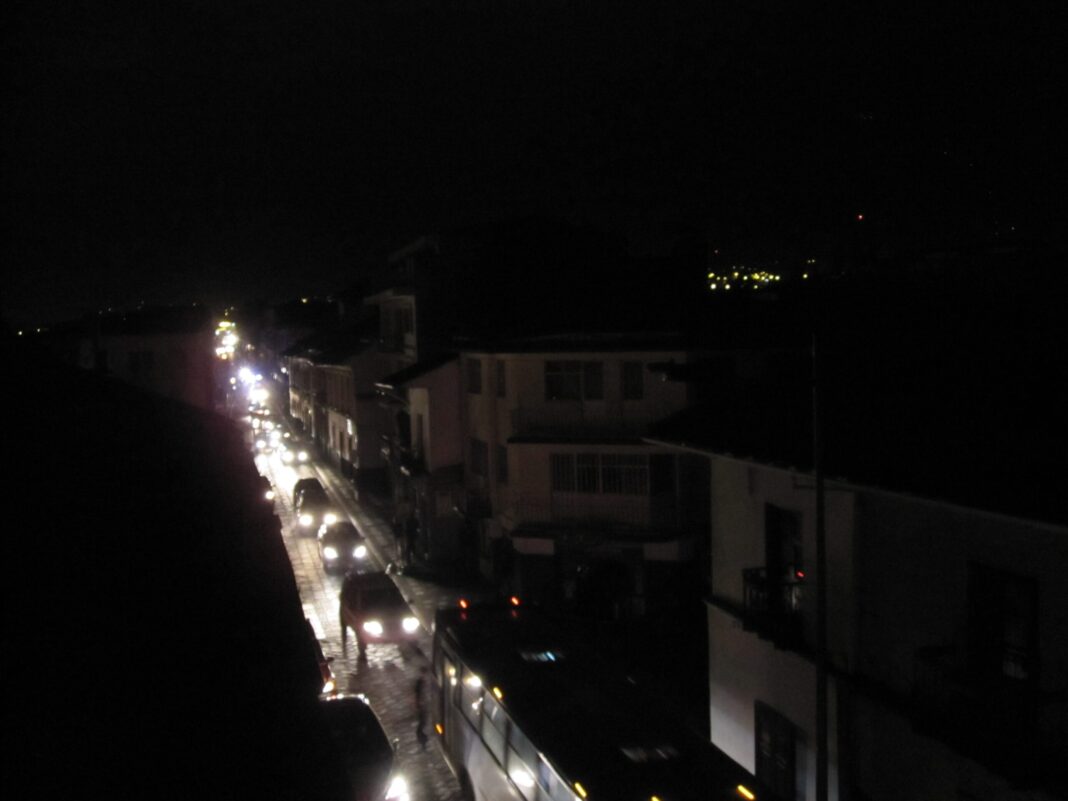

Blackouts Deepen under Bio!
By Joe Turay
Electricity supply to Sierra Leone’s capital has plunged after Turkish energy firm Karpowership cut output over mounting unpaid debts, intensifying a long-running energy crisis that has defined much of President Julius Maada Bio’s six years in power.
The company reduced generation from around 50 megawatts to about 6MW, leaving much of Freetown facing extended outages, with supply now largely restricted to critical services such as hospitals and water systems.
Officials warned of widespread blackouts as the government struggles to settle arrears owed to Karpowership, which has been a central pillar of electricity generation in Sierra Leone since 2018.
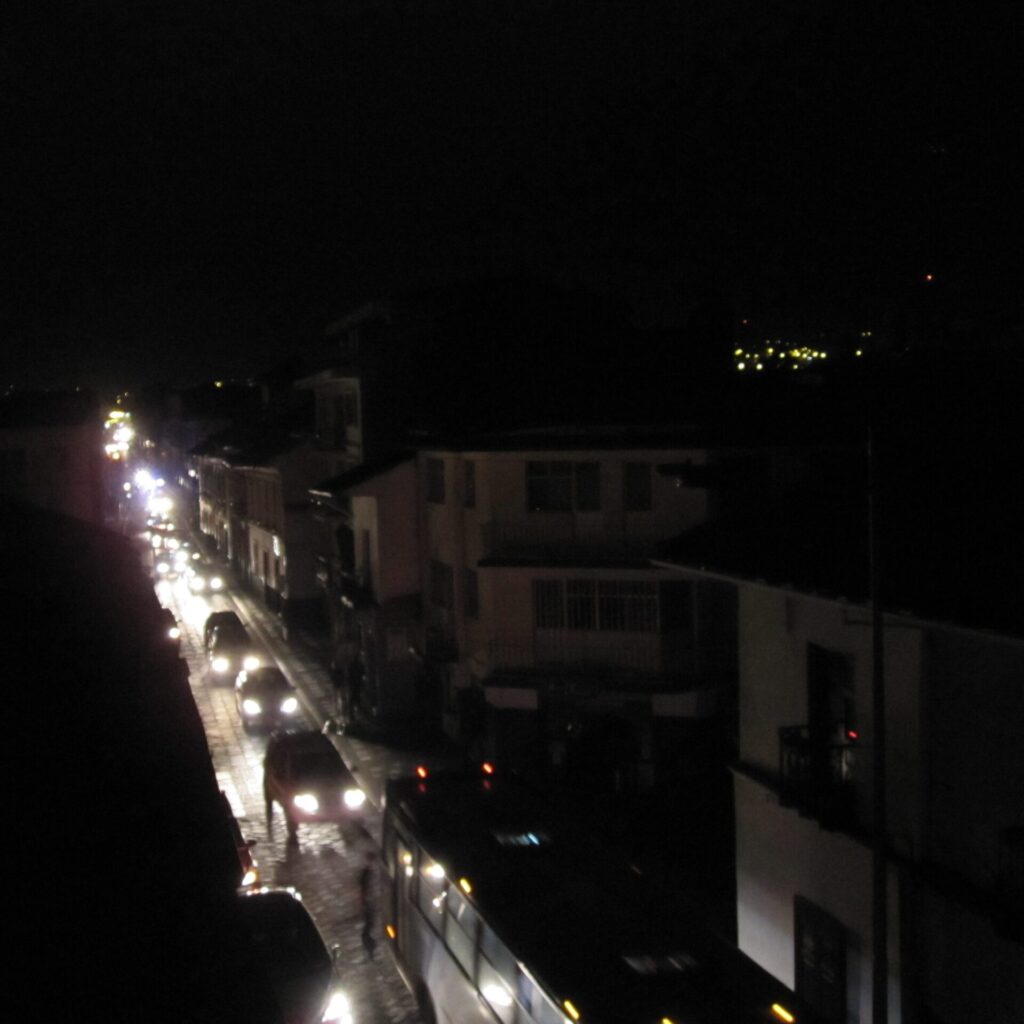
Karpowership cited more than two years of unpaid capacity fees and several months of fuel arrears, saying it cannot sustain full operations without payment. It has demanded at least partial settlement before restoring supply.
Background: Six Years of Persistent Power Crisis
The latest cuts highlight a deeper structural problem that has persisted throughout Bio’s presidency, with Sierra Leone experiencing recurring blackouts despite repeated government assurances of reform.
Since 2018, authorities have leaned heavily on emergency power solutions, particularly the Karpowership deal, to stabilise supply in the capital. While the arrangement initially boosted generation, it has been criticised as expensive and financially unsustainable, contributing to a cycle of debt accumulation.
Electricity access in Freetown has remained erratic over the past six years, with frequent load shedding, tariff hikes and fuel shortages undermining reliability. Businesses have increasingly relied on private generators, driving up operating costs, while households face prolonged outages that have become routine.
Analysts say weak revenue collection, high transmission losses and subsidy burdens have left the state power sector unable to meet its financial obligations, fuelling repeated disputes with suppliers.
The government has at various points pledged to diversify energy sources, including investments in hydro and renewable projects, but progress has been slow, leaving the country exposed to shocks when emergency providers scale back.
The current standoff with Karpowership is the most severe in recent years, raising concerns that without urgent financial and structural reforms, Sierra Leone’s electricity crisis could worsen further.
Karpowership says it does not intend to fully shut down operations but insists that restoring full generation depends on immediate payments, leaving millions in the capital bracing for deeper and more prolonged blackouts.