


By Albert David
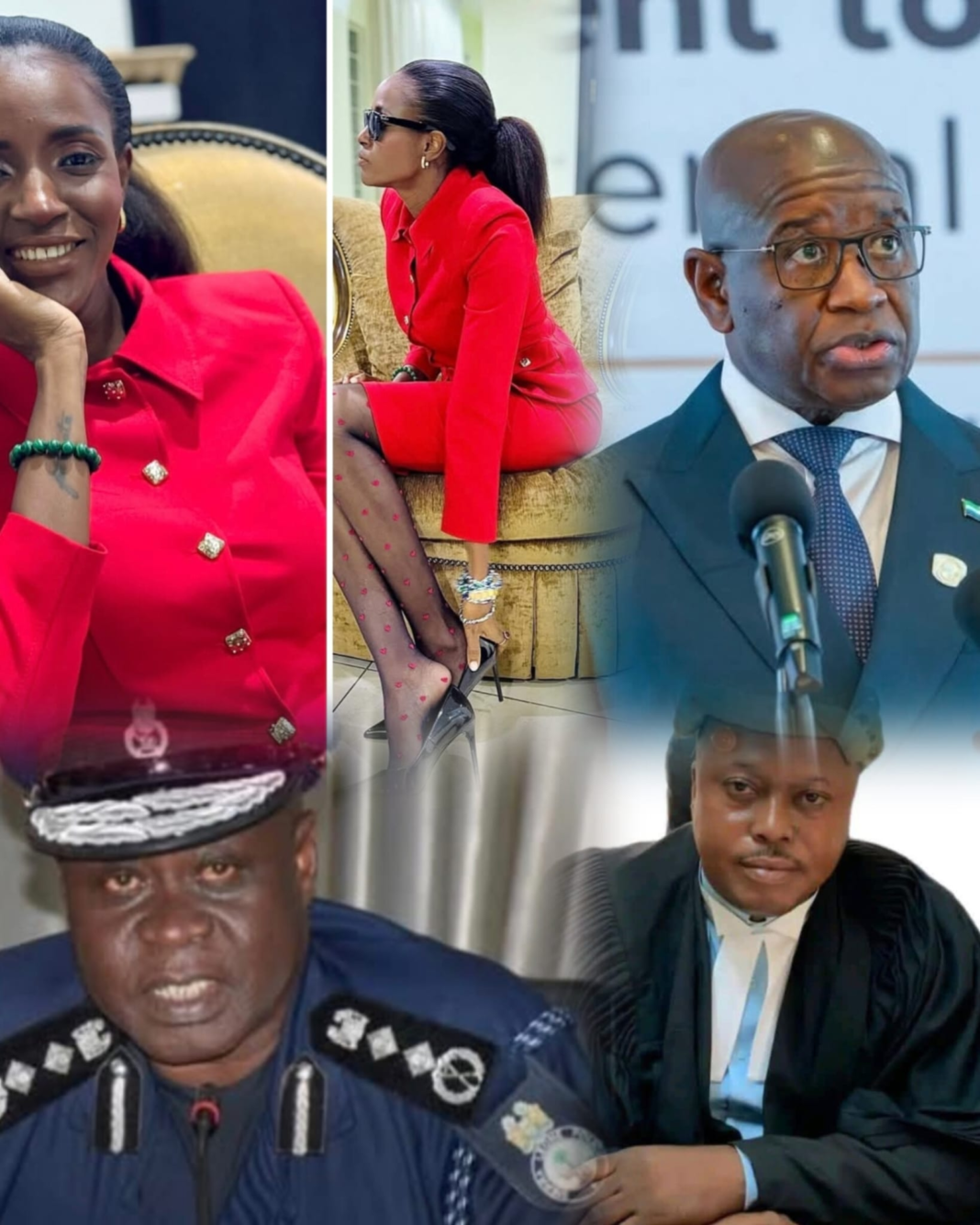
The latest developments in Inspector General of Police v. Zainab Sheriff offer more than a procedural courtroom update, they expose a troubling pattern in Sierra Leone’s governance landscape. What unfolded in court is not an isolated legal matter, it is part of a broader national conversation about institutional integrity, civic freedoms, and the shrinking space for dissent.
On Thursday 26 2026, the Prosecution opened its case by calling Inspector Turay of the Cyber Unit at CID. Yet the Defence immediately objected, noting that the Prosecution’s case file was only served that same morning. In any democratic system, adequate time to review evidence is a cornerstone of due process, not a courtesy. The Defence therefore requested a short adjournment and renewed its application for bail. The Court declined to grant bail, reasoning that because the Defence requested an adjournment and no evidence had yet been heard, bail would not be considered at this stage. The matter now stands adjourned to Wednesday, 4 March 2026. This may appear procedural. But the implications are far deeper, and far more troubling.
Across Sierra Leone, citizens and civil society actors have expressed growing concern about the increasing use of legal and regulatory mechanisms to constrain civic expression. The pattern is becoming unmistakable: delayed access to case files, – restrictive bail decisions, – prolonged detentions, – and the use of regulatory bodies as punitive instruments.These concerns point to a justice system under strain, one where legal processes risk becoming tools of pressure rather than instruments of fairness.
When institutions appear to operate with selective urgency or selective enforcement, public trust erodes. And when citizens begin to fear that the law may be used against them for expressing dissent, the democratic fabric weakens.
For many Sierra Leoneans, the case of Zainab Sheriff symbolizes something larger than one individual’s legal challenge. It represents a broader struggle over: -freedom of expression, – the right to dissent, – the independence of institutions, – and the protection of civic space. Observers note a troubling trend: outspoken women in public life often face disproportionate scrutiny, pressure, or legal entanglements. Over recent years, several prominent female figures, journalists, activists, public servants, and civic leaders, have encountered institutional challenges that many citizens interpret as attempts to silence influential female voices. This raises urgent questions about gender equity, democratic participation, and the treatment of women who dare to speak boldly in the public sphere.
Many civic actors argue that certain state institutions including Judiciary, Police, PPRC appear increasingly aligned with revenue generation, punitive enforcement, or political pressure rather than neutral regulation. When institutions are perceived as mechanisms for harassment, intimidation, selective punishment, or the suppression of dissent, the rule of law becomes vulnerable.
A democracy cannot thrive when its institutions are seen as instruments of fear rather than guardians of rights.
At this moment, Sierra Leone’s civic community faces a defining test. The question is not whether one agrees with Zainab Sheriff personally. The question is whether the principles at stake, due process, fairness, transparency, and constitutional rights, are worth defending. Many citizens believe they are. This is why voices across the country are urging a collective civic response. A broad coalition, political leaders, activists, civil society organizations, women’s groups, youth networks, and ordinary citizens, can stand together to ensure that no individual faces institutional pressure alone. Supporting those who face politically charged legal burdens is not an act of defiance. It is an act of democratic responsibility. When citizens unite to uphold constitutional values, they strengthen the nation, not weaken it.
A healthy democracy depends on respect for constitutional boundaries, protection of civil liberties, independent institutions, and the ability of citizens to question power without fear. When these principles are compromised, the entire society, not just the individuals targeted, pays the price. The Zainab Sheriff case is therefore not simply a legal matter. It is a test of Sierra Leone’s commitment to justice, fairness, gender equality, and democratic integrity. It challenges every citizen to reflect on what kind of society they want to live in, and what kind of institutions they deserve.
The path forward requires courage, unity, and civic maturity. Sierra Leone’s democratic future depends on citizens who are willing to stand up for constitutional rights, defend civic space, and insist that institutions serve the people, not the other way around. The case of Zainab Sheriff is a reminder that democracy is not self-sustaining. It survives only when citizens protect it.