


By Joe Turay
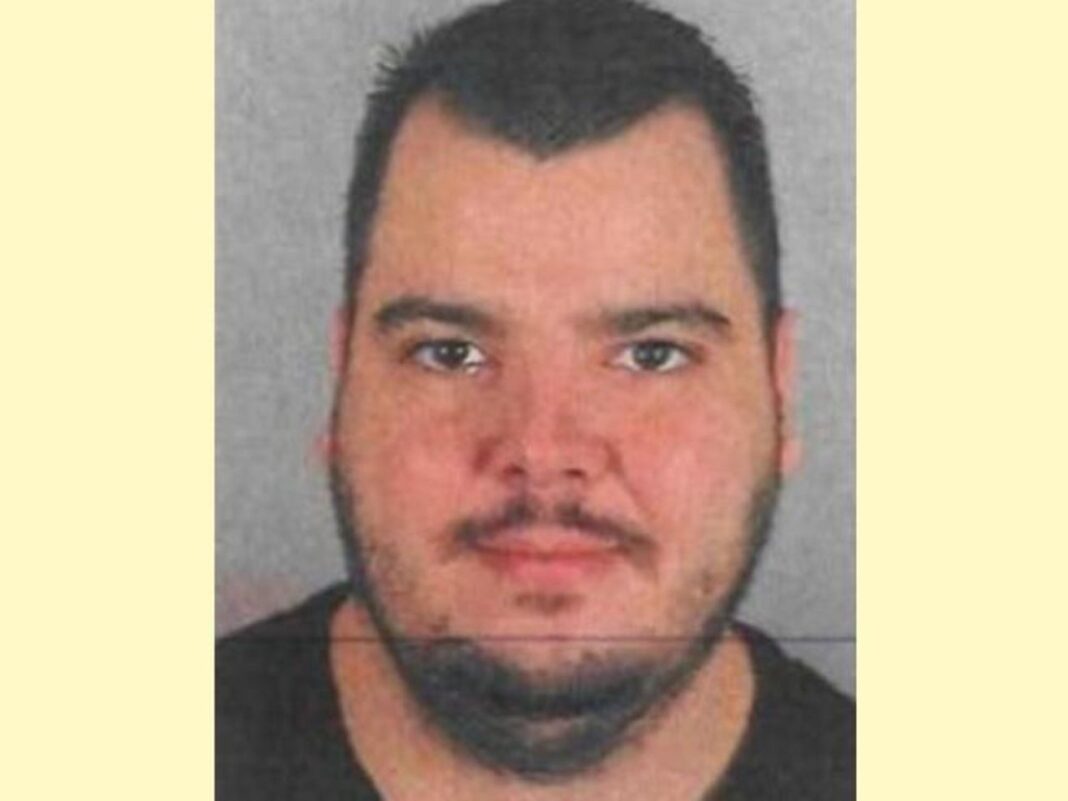
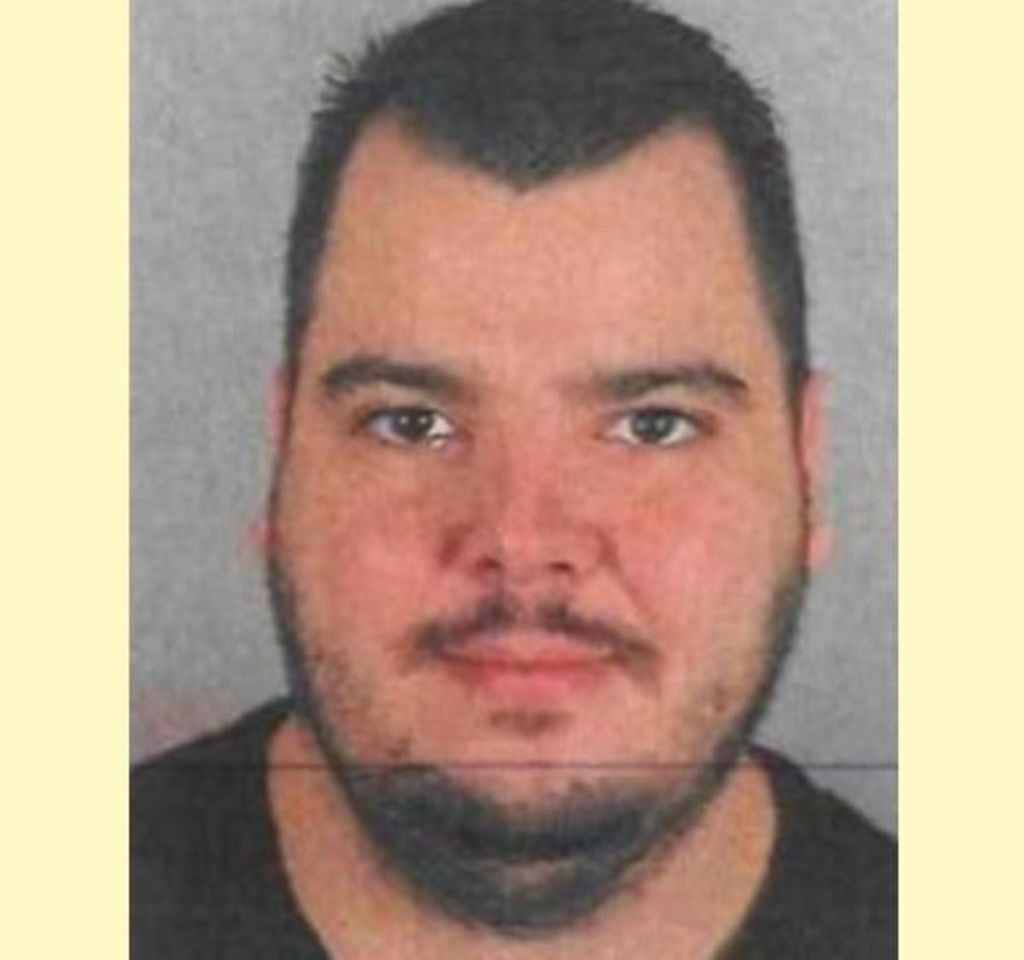
Dutch special forces twice came close in recent weeks to arresting fugitive drug trafficker Jos Leijdekkers in West Africa, but the covert operations were aborted at the last moment, Dutch newspaper De Telegraaf reported.
The planned missions, approved by the cabinet of Dutch Prime Minister Rob Jetten, would have involved marines and elite police units intercepting Leijdekkers in international waters off Sierra Leone as he travelled by boat toward neighbouring Liberia, the report said.
According to the newspaper, the operations were scrapped twice this month shortly before execution, though no official reason was given. The earlier government led by Dick Schoof had reportedly declined to authorise similar action.
Leijdekkers, one of Europe’s most wanted fugitives, has been linked to large-scale cocaine trafficking networks and is believed to have been operating in parts of West Africa, a region increasingly scrutinised as a transit hub for narcotics bound for Europe.
European law enforcement agencies, including Europol, have for years identified Leijdekkers as a key figure in transnational organised crime, particularly in the movement of cocaine from Latin America into European ports.
He has been tried in absentia in the Netherlands and sentenced to lengthy prison terms on charges including large-scale drug trafficking, money laundering and ordering violent crimes linked to rival networks, according to Dutch prosecutors.
Authorities say his network relied on complex logistics chains involving maritime routes through West Africa, where weaker enforcement and strategic coastal access have made certain areas attractive for trafficking operations.
Leijdekkers is widely believed by European investigators to have spent extended periods in Sierra Leone, although officials in Freetown have repeatedly denied that the fugitive has been harboured in the country or that he enjoys any form of state protection.
The government has said it remains committed to international cooperation in combating drug trafficking.
The case has drawn heightened attention from the European Union and the United States, with agencies such as the Drug Enforcement Administration monitoring West Africa’s role in global narcotics flows.
Authorities in Sierra Leone have not publicly confirmed any involvement or knowledge of the reported operations.
The country has faced growing international attention in recent months following major drug seizures in Europe tied to vessels that previously docked in its ports.
Neither the Dutch government nor security agencies have officially commented on the alleged missions.
Reuters could not independently verify the report.