


By Joe Turay
(R— Sierra Leone’s Transnational Organised Crime Unit (TOCU) said on Wednesday there was no evidence linking the government or its ports to a recent €812 million cocaine seizure in Spain, despite confirmation that the vessel involved had previously docked in the West African nation.
In a statement, TOCU said the ship, identified as MV Arconian, arrived in Sierra Leone’s capital, Freetown, on April 17 and departed without any illegal cargo on board.
Authorities said cargo manifests showed the vessel loaded 1,151 metric tons of palm kernel tanks, 250 metric tons of marine diesel fuel and 315 metric tons of fresh water during its stay.
“Port records, CCTV footage, cargo manifests and terminal operator reports revealed no indication of narcotics concealed on the vessel while in Freetown,” the unit said.
The agency also noted that the alleged owner of the vessel, Serenity Shipping Company, is not registered in Sierra Leone, distancing local authorities from any operational link to the ship.
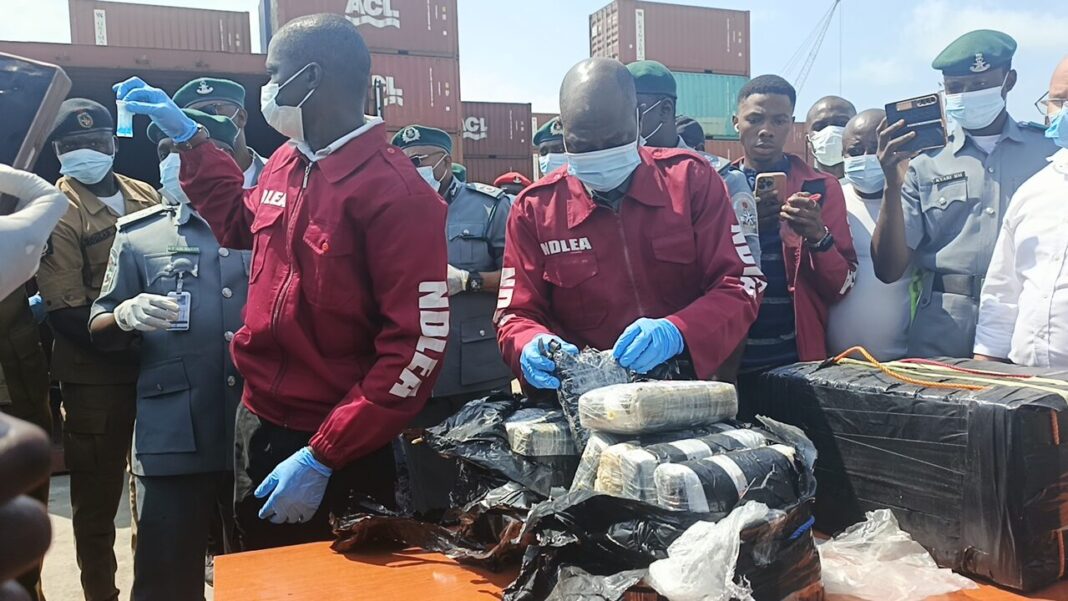
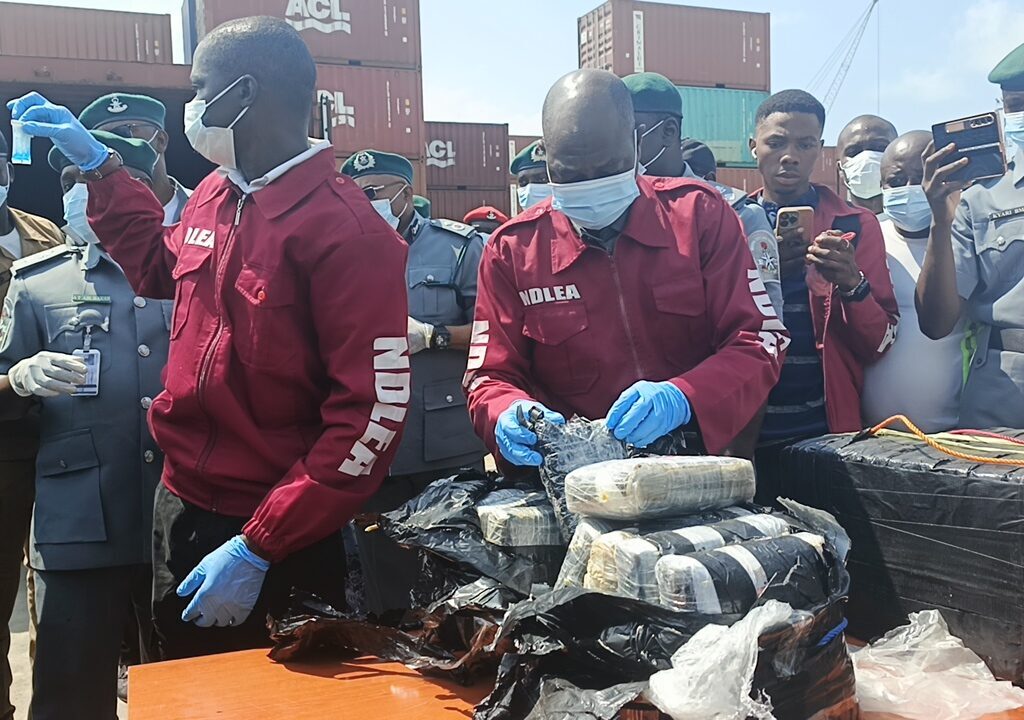
Spanish authorities last month announced the seizure of a large cocaine shipment with an estimated street value of €812 million, prompting scrutiny over the vessel’s previous movements, including its stop in Freetown.
Separate reports have since intensified attention on Sierra Leone’s maritime controls. According to additional accounts, the Comoros-flagged MV Arconian was intercepted near the Canary Islands on May 1 with about 30,215 kilograms of cocaine on board, in what officials described as one of Europe’s largest drug busts. Twenty-three crew members were arrested during the operation.
The development has placed Sierra Leone’s maritime security systems under renewed scrutiny, although TOCU has maintained that the country was not the source of the shipment and that the vessel departed Freetown in compliance with all port regulations.
However, the government’s categorical denial has raised broader questions among analysts and observers about the robustness of maritime oversight systems and whether existing controls are sufficient to detect sophisticated transnational trafficking operations.
Maritime security experts note that standard international port procedures typically require layered inspections, including cargo verification, vessel risk profiling, crew checks and surveillance monitoring. In high-risk regions, additional intelligence-led screening is often deployed, particularly for vessels on transatlantic routes known for narcotics trafficking.
Given the scale of the seizure , over 30 metric tons of cocaine ; some analysts argue it would be difficult for such a quantity to be loaded without detection at some stage of the vessel’s journey, raising questions about where and how the drugs were introduced.
While Sierra Leonean authorities insist that port records, CCTV footage and documentation show no irregularities, critics say such systems are not infallible and can be circumvented through falsified manifests, concealed compartments or collusion.
The case has therefore triggered calls for greater transparency, including independent audits of port security processes, clearer timelines of the vessel’s movements, and closer cooperation with international law enforcement agencies.
Sierra Leonean officials said investigations were continuing but stressed that all available evidence so far pointed to no breach during the ship’s visit.
The government said that in recent years, it has stepped up efforts to combat transnational organised crime, particularly drug trafficking, amid concerns that West Africa is increasingly being used as a transit route for cocaine bound for Europe.