

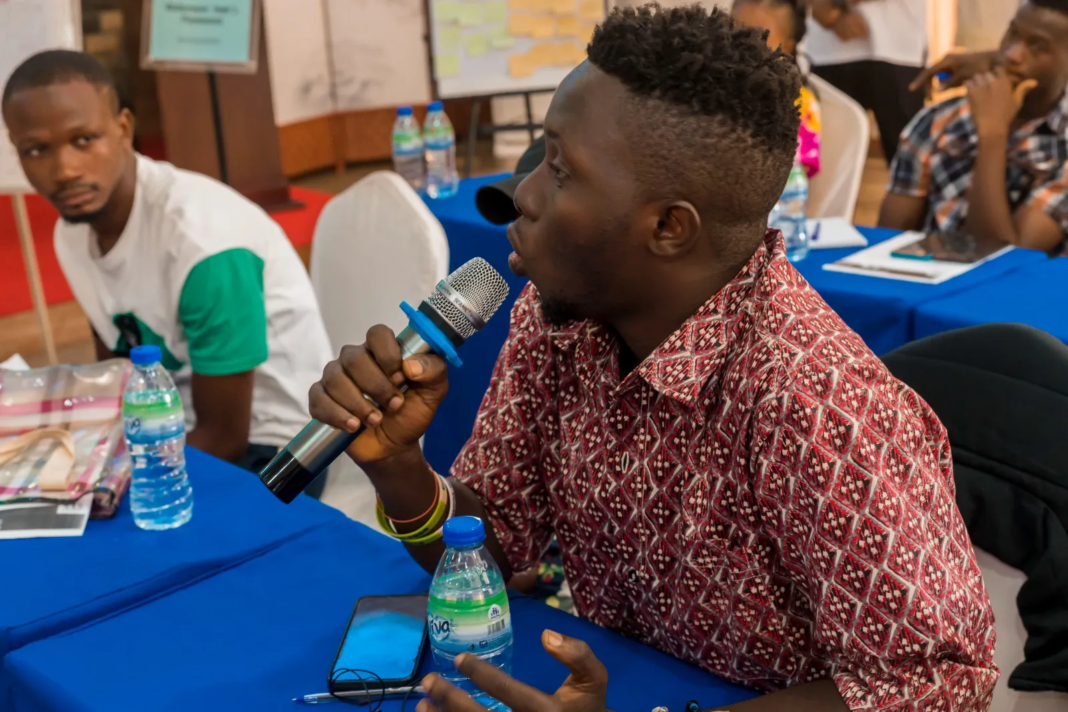

By Joseph Turay
In Sierra Leone, cybersecurity laws, designed to protect citizens and institutions, are increasingly being used to intimidate journalists. Investigations into corruption, drug trafficking, and powerful networks now carry the risk of arrest, exile, or worse — particularly when reporting on figures like Jos Leijdekkers, whose alleged cocaine operations continue with minimal interference.
Sierra Leone’s Cyber Security and Crime Act was intended t safeguard cyberspace, combat cybercrime, and fulfill international obligations. Yet sections such as Section 35 (criminalising messages deemed “grossly offensive” or causing “annoyance”) and Sections 10 and 21 (permitting interception of communications) have been applied broadly against journalists.
Investigative reporters now risk arrest, detention, and interrogation simply for publishing verified information about corruption, drug trafficking, or politically sensitive matters. Journalists such as Justice Boima, Alie Badara, Thomas Dixon, Shar Maturi, and Patrick Kai have been summoned, interrogated, or detained under these provisions while reporting on sensitive topics. Even social media influencers like Hawa Hunt have faced charges for online criticism of officials, demonstrating the wide-reaching effect of the law.
These incidents show the chilling effect: sources stop speaking, journalists self-censor, and critical stories on corruption or illicit networks go unreported.
The arrest of Joseph Turay and Dutch journalist Sophie van Leeuwen in February 2025 illustrates how cybercrime laws are being leveraged to suppress reporting on sensitive issues. Their investigation into cocaine trafficking networks allegedly linked to Jos led to interrogations, equipment seizures, and detention, highlighting the personal risks journalists face.
Other reporters have faced similar harassment: offices raided, legal summonses issued, and digital communications monitored. In many cases, journalists are forced to defend themselves in criminal courts, rather than having public debates on facts and evidence. This environment undermines the press’s ability to hold power accountable.
At the heart of Sierra Leone’s most controversial drug trafficking investigations is Jos Leijdekkers, a Dutch national and convicted cocaine trafficker. Reports from international media confirmed his presence in Sierra Leone in early 2024, allegedly enjoying high-level protection from political elites. Attempts to investigate his operations have repeatedly placed journalists in danger.
The impunity surrounding Jos reinforces the risks of reporting: exposing drug trafficking tied to powerful individuals can trigger legal retaliation, while traffickers continue to operate with minimal interference. This situation has intensified self-censorship, leaving critical gaps in public accountability and undermining Sierra Leone’s international credibility.
The cumulative effect of cyber law enforcement, arbitrary arrests, detentions, surveillance, and protection of powerful criminal figures has created a climate of fear. Journalists increasingly avoid reporting on corruption, drug trafficking, and political complicity, while sources are hesitant to share information.
Civil society groups and media advocacy organisations, including SLAJ and MRCG, have called for urgent reforms in the areas of ; Clear definitions in cyber laws to prevent misuse, Explicit protections for journalists and sources, Independent judicial oversight of digital surveillance, Impartial investigation and prosecution of criminal networks, including those allegedly linked to Jos.
Without such reforms, reporting on public-interest issues remains perilous, impunity thrives, and Sierra Leone’s democracy is weakened.
In reality, Sierra Leone stands at a critical crossroads. Cybersecurity laws, when misapplied, serve as instruments of repression rather than protection. Combined with repeated arrests and the continued presence of criminal actors like Jos, the legal environment has created significant obstacles for investigative journalists.
Protecting journalists is not just about freedom of expression — it is essential for accountability, transparency, and combating corruption and organized crime. Until the state ensures legal protections and impartial enforcement, journalists will continue to face the choice between silence and exile, and Sierra Leone’s citizens will be left in the dark about issues that affect the nation’s governance, security, and international reputation.