


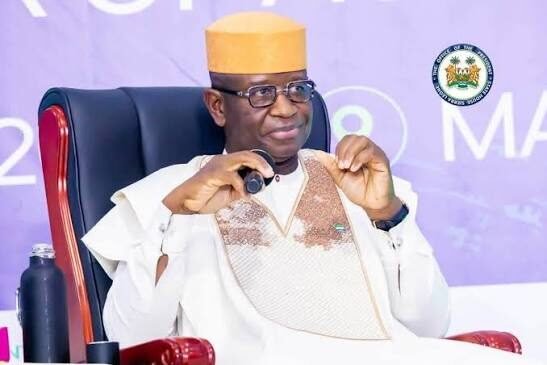
While President Julius Maada Bio stood before an audience in Makeni for another Presidential Townhall meetings , millions of Sierra Leoneans were preoccupied with a very different reality; how to find their next meal, how to afford transport home, and how to survive another night without electricity.
That contrast is at the heart of the growing public frustration.
At a time when the country continues to grapple with a cost-of-living crisis, many citizens are questioning whether a taxpayer-funded townhall is an appropriate national priority.
Across Sierra Leone, hardship has become the defining feature of everyday life.
Food prices remain high. Fuel price increases continue to ripple through the economy, pushing up transport fares and the cost of basic goods.
Young people face widespread unemployment, hospitals struggle with shortages, many communities still lack reliable access to clean water, and prolonged power outages continue to disrupt businesses and households alike.
These are the issues many Sierra Leoneans say they want addressed; not another carefully choreographed public engagement.
A townhall, in principle, is meant to provide a platform where leaders listen to citizens, answer difficult questions and remain accountable.
That is how democracy should function.
However, critics have long questioned whether such events allow for truly independent and spontaneous questioning.
Some opposition figures and civil society voices have expressed concern that participants and questions may be selectively managed, though the government has not accepted those allegations.
The surest way to dispel such criticism would be to ensure transparent, open participation where supporters and critics alike can be heard.
Makeni itself is a city whose recent history cannot be ignored.
The memories of the deadly unrest that claimed lives and led to arrests remain fresh for many residents.
Genuine dialogue should not overlook those painful chapters but should instead demonstrate accountability, reconciliation and a willingness to confront difficult questions.
The government talks about successes in as few areas .
Yet many ordinary Sierra Leoneans judge success by what they experience daily.
They ask whether electricity is reliable, whether food is affordable, whether hospitals can provide adequate care, whether young people can find work, and whether families can live without constant financial anxiety.
Those are practical measures of governance that resonate far more deeply than speeches or public events.
At a time when public finances remain under pressure, every expenditure deserves scrutiny.
Citizens are entitled to ask whether the resources devoted to organising political engagements might have been better directed toward improving essential public services or supporting struggling communities.
Leadership is ultimately judged not by the number of meetings held or speeches delivered, but by tangible improvements in people’s lives.
The people of Sierra Leone are not demanding perfection.
They are asking for relief. They are asking for affordable food, stable fuel prices, dependable electricity, functioning healthcare, clean water, jobs for the youth and a stronger response to organised crime and allegations of drug trafficking that have damaged the country’s international reputation.
History will not remember how many townhalls were organised.
It will remember whether ordinary Sierra Leoneans could feed their children, keep the lights on, access decent healthcare and believe that tomorrow would be better than today.
That is the conversation many citizens believe the nation should be having; not inside a hall filled with applause, but across a country yearning for meaningful change.
This version is written as a strong editorial. It criticizes government priorities while distinguishing opinion from verifiable fact and avoiding unsubstantiated assertions as factual claims.