

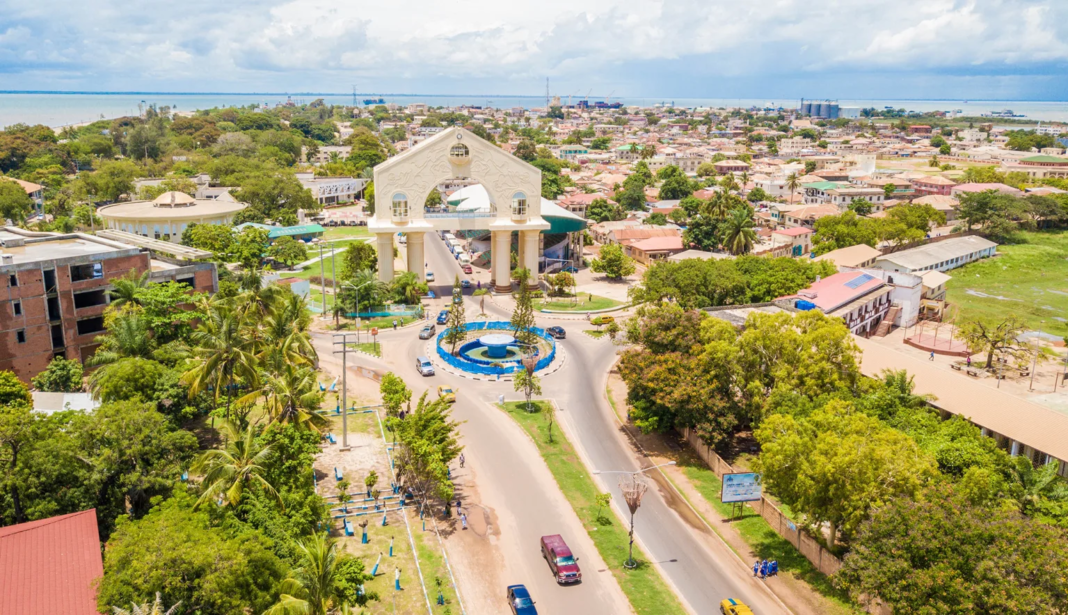

Tourism accounts for about 20% of The Gambia’s gross domestic product, supporting tens of thousands of direct and indirect jobs and generating millions of dollars in foreign exchange, according to industry figures.
With limited natural mineral resources, the small West African country made a deliberate policy choice to develop tourism as a cornerstone of economic growth, government advisers and industry players say.
The strategy has paid off. The Gambia has positioned itself as one of the region’s most affordable and accessible tourist destinations, with low airfares, competitive accommodation prices and a steady flow of charter flights during peak seasons.
Flight tickets to The Gambia can cost as little as $300 one way to Europe or about $750 for a return trip to the United States, while chartered flights organised by tour operators regularly bring in large groups of visitors. During the launch of the 2025–2026 tourism season in October, more than 180 passengers arrived on a single charter flight at Banjul International Airport, according to tourism officials.
The country currently hosts about 12 international flights, including services operated by Royal Air Maroc, Brussels Airlines and Turkish Airlines, expanding its reach to key markets in Europe, North America and the Middle East.
Accommodation costs also remain relatively low. In popular tourist zones such as Senegambia, visitors can secure fully furnished apartments with electricity, internet access and air conditioning for as little as $35 per night, industry sources say. Affordable dining and entertainment options further enhance the country’s appeal.
By contrast, Sierra Leone’s tourism sector continues to struggle despite its beaches and natural attractions. Flights from Freetown to Banjul can cost close to $500 one way, while return fares in the opposite direction can be as low as $120–$170, according to travel operators. Hotel prices in Freetown are also significantly higher, with basic rooms in tourist areas such as Lumley costing up to $100 per night.
Analysts cite high aviation taxes, limited air connectivity, infrastructure gaps and electricity challenges as key factors undermining Sierra Leone’s competitiveness as a tourist destination.
The Gambian government, under President Adama Barrow, has continued to invest in infrastructure, energy reliability and investor-friendly policies, helping to sustain confidence in the sector, tourism stakeholders say.
Tourism experts argue that unless Sierra Leone addresses flight costs, taxation and service delivery, it risks losing potential visitors to neighbouring destinations such as The Gambia, which has successfully branded itself as a low-cost, stable and welcoming hub for international.