

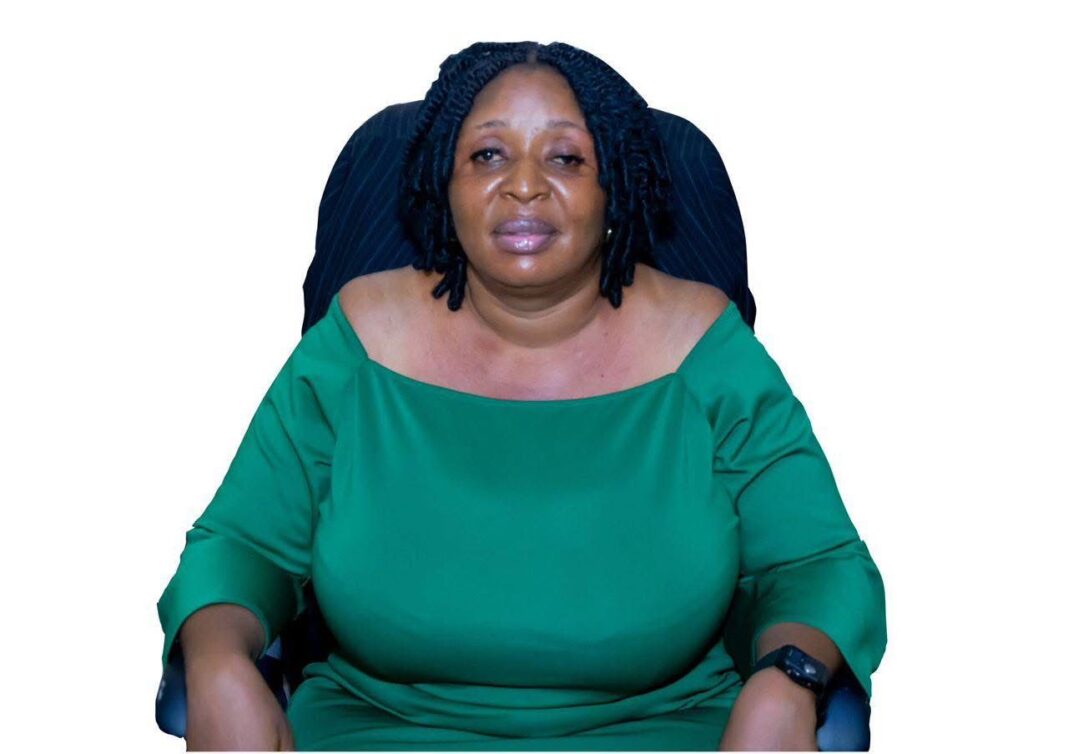

Sierra Leone’s presidency has spotlighted the work of Maseray Brima, the first visually impaired woman to serve at State House, highlighting her role in advancing inclusion and opportunities for persons with disabilities.
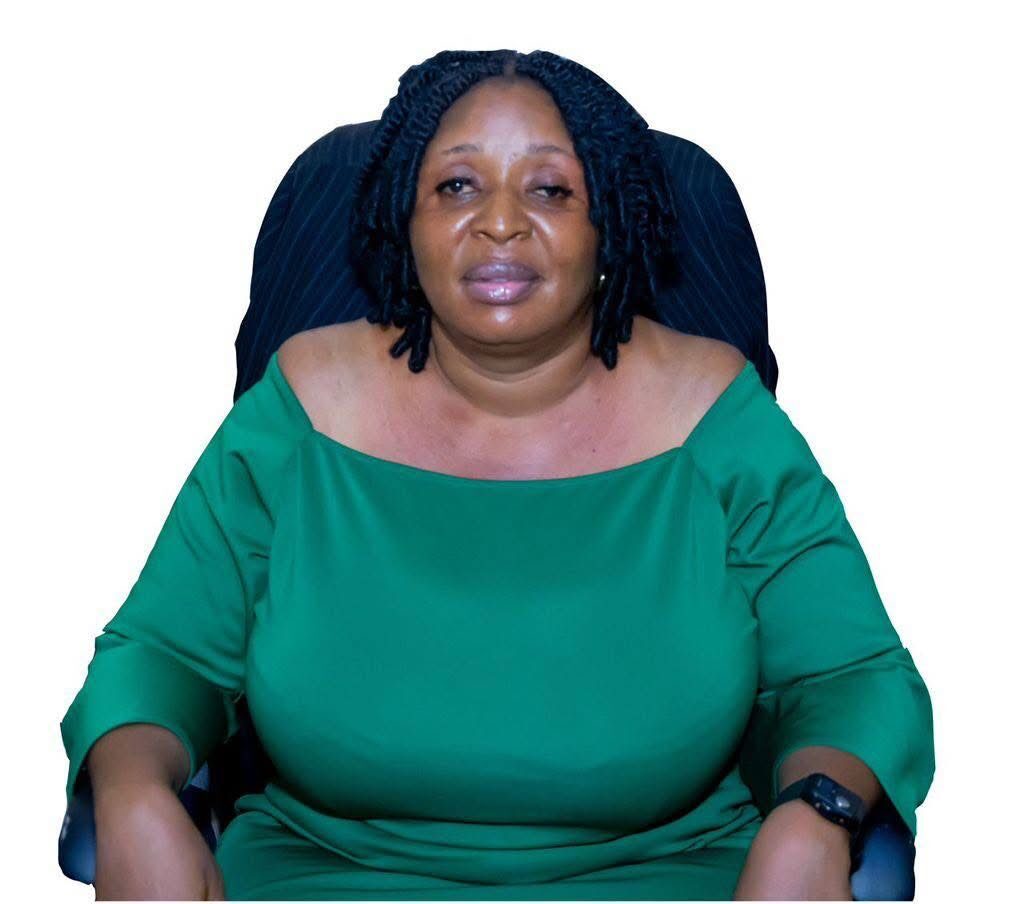
Brima serves as liaison officer to the presidential adviser on social welfare and inclusion, Baindu Dassama, a position created under President Julius Maada Bio to strengthen coordination and advocacy for vulnerable groups.
Her appointment marks the first time a visually impaired woman has held such a role within the presidency, according to a statement issued by the Office of the President as the country marked International Women’s Day.
“Her story reminds us that true vision does not depend on sight, but on determination, courage and purpose,” the statement said.
Brima lost her sight after completing her first university degree but continued her education, later earning a master’s degree in educational administration from Njala University. She is the first visually impaired woman in Sierra Leone to obtain a master’s degree, the presidency said.
Since assuming the role in July 2025, Brima has worked with government ministries, departments and agencies to promote inclusive governance and expand employment opportunities for persons with disabilities.
Her work has included supporting initiatives aimed at increasing public sector employment for people with disabilities, with qualified candidates already interviewed and awaiting appointment letters, the statement said.
She has also collaborated with development partners, including UNICEF, to improve certification processes that enable persons with disabilities to access services and opportunities.
Brima has advocated for the wider use of assistive devices such as white canes to improve mobility and independence for visually impaired people, while also engaging government institutions to promote the implementation of Sierra Leone’s Persons with Disability Act.
Her contributions have also extended to gender assessment activities under the India Development Fund project, aimed at strengthening opportunities for women, particularly those with disabilities.
The presidency said Brima’s work reflects the government’s broader push for inclusive governance and gender equality, citing reforms such as the Gender Equality and Women’s Empowerment Act.
Her journey, the statement added, demonstrates how greater inclusion can help ensure that all citizens, regardless of gender or disability, contribute to national development.