


By Joe Turay
Recent announcements regarding expansion works at the Queen Elizabeth II Quay have been presented as a transformative step for Sierra Leone’s maritime sector.
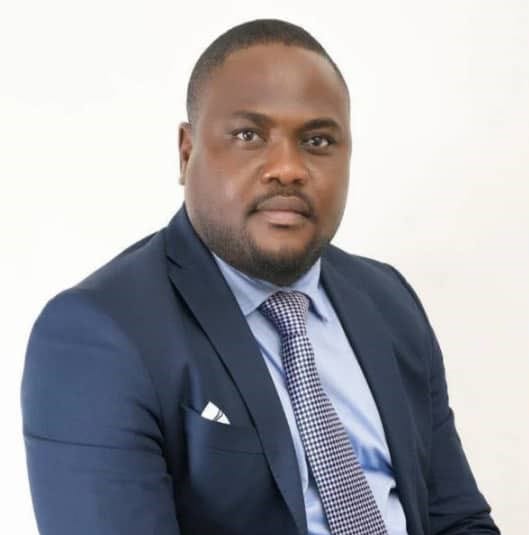
Ports General Manager, Yakuba Bio claims that upgrades; including a 270-meter container terminal extension and a third berth expansion at the Nectar Sierra Leone Bulk Terminal; will increase capacity, accommodate larger vessels, and position Freetown as a regional logistics hub.
Yakuba Bio, who fine position is the head of the Sierra Leone Ports and Harbours Authority, and who has emphasized infrastructure growth as the cornerstone of Sierra Leone’s maritime modernization.
But this is the reality , Yet, while the physical upgrades are welcome, observers, port users, and trade analysts argue that Sierra Leone’s ports lag behind regional standards in efficiency, governance, and technology adoption; essential factors in defining world-class maritime facilities.
Truth is ; Regional peers such as Port of Durban in South Africa, Port of Mombasa in Kenya, and Port of Tema in Ghana provide instructive examples.
And these ports have invested heavily not just in expansion, but in digital cargo tracking systems, automated customs clearance, and robust anti-corruption frameworks.
For example , and let’s look at practical variables here ; nor tell me say are no no Watin are dae tok in this new world of digital age !!
And this is it ; the Port of Durban has integrated advanced container tracking, automated billing, and 24/7 cargo monitoring, reducing dwell times and minimizing unofficial fees.
Me brother Yakuba , shine your eye bra !
Let’s go to east Africa, Kenya where the Port of Mombasa operates with a single-window customs system, linking shipping agents, clearing agents, and customs officials digitally to improve efficiency and reduce bureaucratic delays.
Are tell u more ? Or u feel say fool man dae now ?
Now to Ghana , our good friends ; where the Port of Tema has implemented private-public partnerships for terminal operations, ensuring accountability and routine third-party audits, a practice largely absent in Freetown.
So with all the charges levied on people and the money way una dae keep na una ose , una nor dae see ?
Plenty workshops and lavish travel ! 🤷🏾✍️
So , by contrast, importers and clearing agents in Sierra Leone report persistent high fees, bureaucratic bottlenecks, and opaque administrative practices, signaling that infrastructure upgrades alone may not translate into enhanced port performance.
Let’s look at security at the port and Beyond operational efficiency, security remains a major challenge.
We all know how people den property dae loss yanda bra ! What about drugs traffic ?🤷🏾👋
Recent interceptions of alleged cocaine and synthetic drugs such as kush in Sierra Leone highlight vulnerabilities in port surveillance and cargo inspection systems.
After all , Maritime experts note that globally, ports are recognized as high-risk nodes for illicit trade.
Independent oversight, advanced scanning technology, and transparent reporting mechanisms are critical for safeguarding national and regional supply chains; a standard still emerging at Queen Elizabeth II Quay.
Nor tell me say people no no Watin dae happen yanda ! We no Munku then ! 😎
But this is the stark truth ; clearing agents and port users cite inconsistent procedures and unofficial payments, echoing concerns raised in West African trade forums about weak governance frameworks in Sierra Leone’s ports.
To be continued next edition: and we shall look more into the real issues people complain about and what has to be done in line with best model and standards.