


By Mohamed KaiKai
Sierra Leone’s High Court has commenced the trial of five people accused of forcibly initiating a woman into the Bondo Society and subjecting her to female genital mutilation (FGM), in a case that has renewed attention on the country’s long-running debate over the traditional practice.
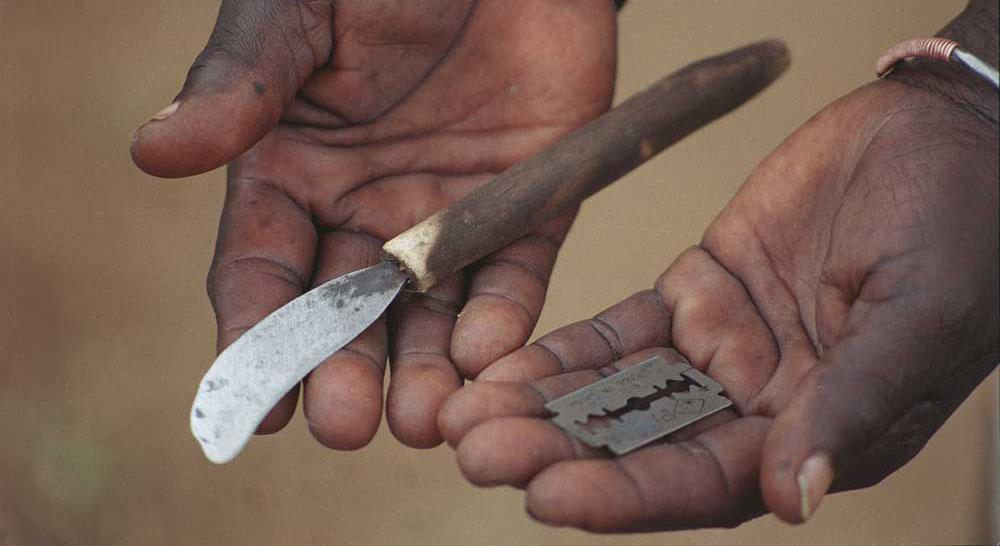
The prosecution alleges that the complainant was forcibly taken to a Bondo bush at Quarry Moyeba Community in Kissy on May 7, 2026, where she was initiated into the secret society, subjected to female genital cutting and held against her will before eventually escaping.
According to court documents, the woman later reported the incident to the Ross Road Police Station on May 28, prompting a police investigation.
The five accused appeared before High Court Judge Justice Tonia Barnett facing charges of conspiracy and causing grievous bodily harm.
Prosecutors told the court that the accused acted together to unlawfully force the complainant into the initiation ceremony without her consent, resulting in serious bodily injuries.
The defendants have not publicly commented on the allegations, and the court is expected to hear evidence from the complainant, investigators and other witnesses as the trial progresses.
The case is one of the few criminal prosecutions involving allegations of forced female genital mutilation in Sierra Leone, where the practice remains closely linked to initiation into the Bondo Society, a traditional women’s secret society with deep cultural roots in many communities.
Although Sierra Leone has no law that expressly criminalises FGM performed on consenting adults, forced initiation, unlawful detention and acts causing bodily harm can be prosecuted under existing criminal laws.
The case comes at a time when Sierra Leone is under increasing international scrutiny over its handling of female genital mutilation.
FGM remains widely practised across the country as part of initiation into the Bondo Society, despite years of campaigning by women’s rights organisations, civil society groups and international human rights bodies calling for its abolition.
One of the most significant legal challenges against the practice was brought before the ECOWAS Community Court of Justice by Kadijatu Balaima Allieu, together with the Forum Against Harmful Practices (FAHP) and We Are Purposeful. Allieu alleged that she was forcibly subjected to FGM in 2016 and that the Sierra Leonean authorities failed to investigate or prosecute those responsible.
The applicants argued that the government’s failure to criminalise FGM violated the rights of women and girls under regional and international human rights treaties.
In a landmark judgment delivered in July 2025, the ECOWAS Court ruled that Sierra Leone had violated its human rights obligations by failing to protect women and girls from FGM and by failing to investigate and prosecute those responsible for Allieu’s case.
The court held that female genital mutilation amounts to cruel, inhuman and degrading treatment and ordered the government to enact legislation criminalising the practice, investigate perpetrators, protect victims and pay compensation to Allieu.
The judgment intensified pressure on the Sierra Leone government to outlaw FGM.
However, while Parliament has enacted several child protection reforms in recent years, the country still does not have a law expressly banning FGM for consenting adults, and campaigners argue that legal protections remain inadequate, particularly for girls and women subjected to forced initiation.
The current High Court case differs from the ECOWAS proceedings because it is being prosecuted under existing criminal laws relating to conspiracy and grievous bodily harm rather than under a specific anti-FGM statute.
Legal experts say the outcome could establish an important precedent for how Sierra Leone’s courts deal with allegations of forced initiation into the Bondo Society pending broader legislative reforms.
The trial is expected to test the balance between respecting cultural traditions and protecting constitutional rights to personal liberty, bodily integrity and freedom from violence.
Justice Barnett adjourned the matter for the continuation of the prosecution’s case.